

To define detail, scope and purpose.
To establish the developed detail in a viewable format to facilitate information.
To facilitate the application of the documentation.
Downloading a resource will add this resource to your resource subscriptions. You will be notified of future updates to this resource via email (you may unsubscribe at any time by clicking the unsubscribe link in the email notification, or to unsubscribe immediately from all update notifications, click here)
Downloading a resource will add this resource to your resource subscriptions. You will be notified of future updates to this resource via email (you may unsubscribe at any time by clicking the unsubscribe link in the email notification, or to unsubscribe immediately from all update notifications, click here)
This information can be used to develop food safety and quality programs that meet the requirements of modern regulatory, customer and industry standards:
When considering the development, documentation and implementation of HACCP within food safety and quality management systems, consider the following information to support effective outcomes:
haccp.com includes multiple elements covering the development, implementation and management of Codex HACCP within any food safety and quality program. This element covers the primary information on Codex HACCP. Other related elements cover specific considerations and applications for the 6 commonly applied hazard types controlled through the HACCP methodology:
HACCP is an internationally recognised approach, endorsed by the scientific community, regulators and food industry practitioners. It is a food safety methodology that relies on identifying Critical Control Points (CCPs) at all stages of food business processes. CCPs are then closely monitored to ensure food is safe for consumption. This differs from traditional approaches that test product after it is produced, which can lead to expensive recalls of suspect food.
HACCP has become synonymous with food safety assurance. The goal of any HACCP system is to prevent food safety issues during processing, rather than relying on end product testing to confirm that food is safe. The system must be flexible enough to cope with change, such as advances in equipment design, processing procedures and technology.
The principles of HACCP can be applied throughout the food chain, from primary production to the final consumer, and should be guided by science, with the ultimate goal of preserving human health. Beyond food safety, HACCP can aid regulatory and non-regulatory inspections and promote business through increased confidence in food safety.
HACCP relies on the full and dedicated commitment of management and the workforce in all areas of food production. It also requires a multidisciplinary approach, drawing on specialised sources such as microbiology, medicine, public health, food technology, environmental health, chemical engineering and veterinary health to validate its use within a food safety system.
Although HACCP is primarily concerned with food safety, it can also address quality issues in food production. It is now the most widely used systematic and preventative approach to controlling biological, physical and chemical hazards in food production. Refer also to Good Manufacturing Practices, which underpin HACCP.
HACCP was originally developed around the identification and control of food safety hazards. Modern applications within food businesses have extended to additional hazard types, such as quality and regulatory hazards. Where applied, this extension supports strong risk management of all hazards relevant to a food business. The content below refers to hazard analysis and controls, and the CCP examples apply equally to Quality Control Points and Regulatory Control Points.
In 1959, NASA approached a large American food and beverage company, Pillsbury, to produce foods that could be eaten in space. The food had to be as close to 100% safe for consumption by astronauts as possible, and designed so it could be eaten in zero gravity without producing particles that could compromise astronaut comfort or the operation of the vessel.
Pillsbury first tested finished product samples for pathogens, but soon realised that the only way to guarantee the safety of the food by testing was to test 100% of it. This led to the realisation that a controlled, preventative approach could stop food safety hazards from occurring. Pillsbury developed HACCP as a result, and it was presented to the United States food industry in 1971. Several food companies soon adopted HACCP system theories.
HACCP was not in common use outside the United States until the mid-1980s. The World Health Organization recognised that HACCP had the potential to considerably improve food safety in developing countries and save lives. In 1993, the Codex Alimentarius Commission adopted Codex guidelines for the application of HACCP, which now provide a standardised foundation for food businesses around the globe. These are now part of the Codex General Principles of Food Hygiene.
The official HACCP guidelines are managed and reviewed by the Codex Alimentarius Commission, an international body that is largely unknown to the general public. It was created in 1963 by the Food and Agriculture Organization (FAO) and the World Health Organization (WHO) to develop food standards, guidelines and related texts, such as codes of practice, under the Joint FAO/WHO Food Standards Programme.
The main purposes of the Programme are to protect the health of consumers, ensure fair practices in the food trade, and promote coordination of all food standards work undertaken by international governmental and non-governmental organisations. Although it works in the shadow of more prominent United Nations organisations, the impact of its work is felt by consumers every day.
The mission of the Commission is to set international food standards that help governments achieve adequate consumer protection. It also raises government awareness of food safety issues and serves as a point of reference for food safety standards and food regulations.
The Commission usually meets once a year, in Rome or Geneva, the seats of FAO and WHO. Delegations from member countries attend. They consist mainly of government officials but can also include industry or consumer representatives and academic experts. Between sessions, the Executive Committee conducts business on behalf of the Commission.
Consumers are increasingly aware of food safety issues in the food they eat. Their main concerns include the potential presence of pathogenic microorganisms, chemical residues such as pesticides, and artificial flavourings, colourings and preservatives. It is a basic right of consumers to be offered safe food that will not cause them harm.
Food-borne illness has been well publicised. Some reports have been overstated, but others have involved serious harm, including fatalities, to large numbers of people around the world. The apparent increase in food-related illness highlights the need for food businesses to be more diligent in ensuring the production of safe and suitable foods.
Preventing and controlling hazards is the basis on which HACCP supports safe food production. HACCP, together with quality controls, helps assure that the end product will satisfy consumer requirements, including their right to a high quality product. Controlling hazards is a moral and legal obligation, and HACCP also offers benefits that are not consumer driven: the food industry, individual businesses and food regulators can all benefit from its continued use.
Implementing HACCP in food production requires prerequisite programs to be documented and applied before HACCP plans are introduced into the process. These support programs control the operational conditions within a food establishment and allow a safe environment for food production.
When introducing HACCP into food premises, the first step is to assess existing programs for adequacy, conformance to requirements and documented monitoring effectiveness. These programs form the basis on which HACCP is integrated into the food safety system, and their validation and adequacy underpin its success. If support programs are not controlled as prescribed, HACCP information, for example critical control points, may need to be altered. Their importance cannot be overlooked in HACCP planning and implementation, because they provide intrinsic support to all facets of the food safety management system. Refer also to process control management.
HACCP support programs include relevant systems that incorporate food hygiene, codes of practice and food safety legislation, such as:
The physical state of the premises, and of the facilities in and around them, must be designed and maintained to prevent contamination of food during processing, handling and storage. Keep documentation and records of premises monitoring and maintenance to verify the suitability of the premises for safe food production. Premises include all elements inside and outside the physical structure of a food business and its surroundings, including property, car parks and sanitation facilities. Adherence can be verified through documentation that specifies the procedures used to keep conditions at a satisfactory standard. Refer also to premises design and construction standards.
General HACCP requirements for premises include:
All equipment associated with food production must be appropriately constructed and maintained, with food safety as the primary concern. Installation and use of equipment must also be addressed, because food safety can be compromised through improper application. Refer also to equipment design and construction standards.
General HACCP requirements for equipment include:
Documented cleaning and sanitation procedures must be in place to monitor and control related issues. The documentation must outline the boundaries that need to be addressed to ensure safe and suitable food production, and procedures must be developed and implemented for all areas of consequence to food safety.
General HACCP cleaning and sanitation requirements include:
Refer also to cleaning and sanitation.
Consider potential sources of contamination from the environment. In particular, do not carry out primary production of food in areas where the presence of potentially harmful substances would lead to an unacceptable level of those substances in food.
The pest control program aims to prevent pest issues in the premises and eliminate evident pests. It should set parameters for involvement, identify control issues significant to the use of items that may be hazardous to food, and identify areas of specific concern. Refer also to pest and vermin control.
General HACCP pest control requirements include:
Pets and other animals can carry disease organisms, both internally and externally, that can be transmitted to humans. For this reason, pets and other animals are generally excluded from food establishments.
Exceptions commonly recognised by regulators include:
The scope and purpose of the pest control program is to prevent pests entering the premises and to eliminate any existing pests. Where animals are permitted, ensure they are controlled and cannot contaminate food.
Adequate programs must be in place to monitor and control the actions of personnel in the production of safe and suitable food. These programs ensure safe food handling practices and rely on quality training to be successful. Training must be verified as relevant and accurate for specific tasks, and must make people responsible for their actions within the whole process. Ongoing training, particularly in personal hygiene, personal conduct and hygienic handling of food, reinforces positive food safety outcomes. Refer also to personal hygiene standards.
Training of personnel in industry, government and academia in HACCP principles and applications, and increased consumer awareness, are essential for effective implementation of HACCP. To support a HACCP plan, develop working instructions and procedures that define the tasks of operating personnel at each Critical Control Point.
Cooperation between primary producers, industry, trade groups, consumer organisations and responsible authorities is vitally important. Opportunities should be provided for joint training of industry and control authorities, to encourage a continuous exchange of communication and create a climate of understanding in the practical application of HACCP.
General HACCP training requirements include:
Refer also to training, competency and resources requirements.
All incoming materials, and processed and departing products, must be transported and stored in a way that prevents conditions that may affect food safety. Programs must be in place to monitor and control transportation and storage, and appropriate documentation must be maintained. Appropriate storage and transportation reduce the potential for biological, chemical or physical contamination.
General HACCP transportation and storage requirements include:
Refer also to storage and handling requirements and transport standards.
Approved supplier listings are important for controlling the ingredients and other supplies required for food production and storage. Set specified requirements for suppliers, aligned with receipt protocols for the acceptance of goods.
General HACCP approved supplier requirements include:
Refer also to approved supplier management.
Documented recall procedures outline the actions to be taken when a product is recalled for any reason. The nominated strategies ensure that all relevant steps are followed to remove the food and prevent potential harm. General HACCP product recall and product withdrawal requirements include a documented product recall program that sets out specifically the requirements for who, what, when, where, why and how in a recall situation. Refer also to product recall and product withdrawal.
Before HACCP is applied to any sector of the food chain, that sector should be operating according to the Codex General Principles of Food Hygiene, the appropriate Codex codes of practice and appropriate food safety legislation. Management commitment is necessary for an effective HACCP system.
During hazard identification, evaluation and the subsequent design and application of HACCP systems, consider the impact of raw materials, ingredients, food manufacturing practices, the role of manufacturing processes in controlling hazards, the likely end use of the product, categories of consumers of concern, and epidemiological evidence relevant to food safety.
The HACCP system focuses control at CCPs. If a hazard that must be controlled is identified but no CCP is found, consider redesigning the operation. Apply HACCP to each specific operation separately. CCPs identified in any Codex code of hygienic practice might not be the only ones identified for a specific application, or might be of a different nature. Review the HACCP application and make necessary changes whenever a modification is made to the product, process or any step. Be flexible where appropriate, given the context of the application and the nature and size of the operation.
A documented scope and purpose for the HACCP plan is necessary to ensure all required products and processes are covered by the associated documentation and management systems.
The scope of the HACCP plan should define the major process steps intended to be covered by the plan. The following examples indicate common HACCP scopes for each industry sector:
The purpose of the HACCP plan should define its intent regarding the identification and control of hazards. In contemporary food safety management systems it is common for quality and regulatory aspects to be included in the purpose. Some purposes may need to mention specific hazards or hazard types, especially for high risk products.
An example of a HACCP purpose that suits most HACCP programs is: the purpose of the HACCP plan is to identify and control all relevant microbiological, chemical, physical, allergen, quality and regulatory hazards.
The HACCP system relies on the following seven principles:
The following tasks form the logical sequence for HACCP application and management:

The first step in integrating HACCP into a food safety system is to nominate the team that will oversee implementation. Include as much knowledge and skill as possible in the team, and include senior management. The size and scope of the team depend on the food industry sectors involved and the classes of hazards to be addressed. As well as internal members, external sources with relevant experience or specialist training can add relevance to HACCP implementation. Overall, the team should be efficient, appropriate and well informed about all relevant aspects of the HACCP guidelines.
The composition of the team must suit the operational aspects of the food business and account for the technologies, equipment and expertise used in processing. The food operation should assure that appropriate product specific knowledge and expertise are available to develop an effective HACCP plan, ideally by assembling a multidisciplinary team. Where expertise is not available on site, obtain expert advice from other sources. Identify the scope of the HACCP plan, describing which segment of the food chain is involved and the general classes of hazards to be addressed.
In many jurisdictions, management and staff have a legal responsibility to provide and maintain an environment in which safe food can be produced. Teamwork is the foundation of any successful food safety program. A designated HACCP team made up of management and other staff is required to ensure policies and procedures are continuously improved. While the program must be managed in its entirety, special emphasis must be placed on assuring that nominated CCPs are monitored and maintained as specified.
Consider the following questions:
Conveying relevant HACCP based food safety information is an important factor in a successful food business. Information can be communicated in many forms, including:
It can be advantageous to install a food safety notice board, where relevant and current information is displayed for food safety team members and other staff. Information such as team members, changes to the operational program and approved supplier listings can be added to keep staff informed.
HACCP food safety team meetings provide a strong foundation for ongoing management and continuous improvement. Meeting agendas may cover:
The second step in HACCP implementation is to assess the food products produced or handled by the food business. Where a service is provided rather than a product, a similar method can be applied. The information gathered helps identify hazards that may be present in ingredients or materials used in processing food. Comprehensive standard recipe forms can simplify this task by showing all input materials and ingredients, and the processing, storage and treatment methods. This step should also reference appropriate legislative and industry guidelines, or scientific validations, for the documented product description and intended use. Generic product descriptions may be developed for product groups rather than each line where applicable. Refer also to product design and development.
When compiling a product description, address the following as a minimum:
In preparing a service description, address the following as a minimum:
The scope and purpose of the HACCP plan are often included in the format of a product description and intended use, and of service descriptions.
Specifications are commonly linked with the product description and intended use, although they are not a nominated HACCP requirement. Whether they cover raw materials such as ingredients and packaging, or internal or external customer finished products, specifications must include all components of the finished product. Where specifications are developed, one for each line is appropriate, as opposed to product descriptions, where similar food types may be grouped. Refer also to specifications management.
Specification formats commonly include:
Consider the following questions:
This step assesses whether the product will be served and consumed immediately, stored or further processed, and the expected use of the product by the end consumer. Intended usage provides a wealth of information about potential hazards throughout processing. It is often documented in tabular format with the product description.
Consider the following questions:
The next step is to construct a production process flow diagram using the information gathered above, together with operational knowledge of the process systems. The diagram must identify every step used to produce the product, from receipt of materials and ingredients to service of the consumer. It need not be complex, but it must include all processing steps from beginning to end. To assess the validity of the diagram, follow the process closely from start to finish by physically walking it. Products may be grouped in the diagram if they are suitable to include.
Consider the following questions:
Validate the production process flow diagram against on site observation of production during all stages and hours of operation. Alter the pre-conceived diagram if required for its validation into the food safety system. Reconfirm the diagram at least annually, or whenever processes, products or inputs change.
Consider the following questions:
Hazards may reasonably be expected to occur at each step from primary production, processing and distribution until the point of consumption. Analyse each nominated hazard for its potential to reach unacceptable levels for the production of safe food. The analysis should also include emerging issues, which may not be historically evident for a particular product but may be of concern given the product description and intended use.
The hazard analysis should include, where applicable:
When the hazard analysis is complete, the HACCP team must consider what control measures, if any, apply to each hazard. More than one control measure may be nominated for a hazard, and more than one hazard may be controlled by a single control measure.
Consider the following questions:
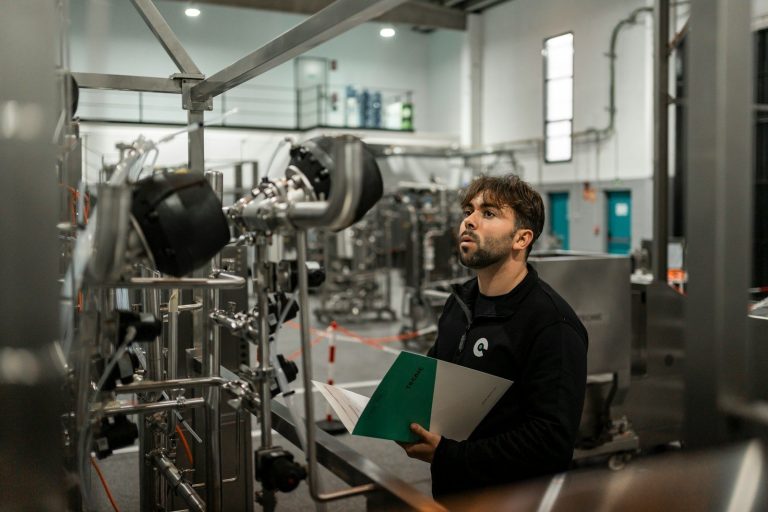
Any food hazard analysis should consider the prior history of all raw material inputs, together with processing and handling. If the processing of a food does not include an appropriate control step that renders it safe from potentially harmful hazards, a significant food safety risk may exist. Nominated control steps must be under constant control, and control responses must be flexible enough to cope with change. All relevant documentation and records must be compiled, by human observation, automated instrumentation or both.
The effectiveness of hazard control under constant conditions depends on qualitative and quantitative values that are specified as relevant to the food safety system. If conditions change in the process, nominated values may need to be adjusted and the system revalidated as current and effective.
There are two fundamental components to the food safety hazard analysis process:
Adequate control of hazards requires 3 steps:
All hazards that may reasonably be expected to occur in each step of the nominated process must be identified within the HACCP hazard analysis. The sections below set out the points to address in identifying potential hazards.
Consider the following questions when reviewing raw materials as process inputs:
Raw materials as process inputs may include:
Refer also to water and ice quality standards and chemical control.
Consider the following questions when reviewing premises and equipment design:
Refer also to premises design and construction standards and equipment design and construction standards.
Consider whether factors intrinsic to the product, for example pH or water activity, effectively control all microbiological hazards likely to be present in the raw materials, or that could enter the product as cross contaminants during the process. Consider the following questions when reviewing intrinsic product parameters:
Different types of microorganisms are controlled in different ways. A method that controls one may not be appropriate for another.
Consider the following questions when reviewing process design:
Both microbiological hazards and the toxins they produce must be included in process design considerations.
Consider the following questions when reviewing food handling employees:
Hazards must not be missed. If they are overlooked, the HACCP based food safety system loses its integrity and cannot operate within its intended scope and purpose.
A food safety system should identify which of the hazards listed in the hazard analysis must be eliminated or reduced to acceptable levels to produce safe food. To determine which control measures need to be in place to lessen or prevent hazards, determine the significance of each hazard.
Hazard significance is generally based on the question: what is the likelihood that the hazard will occur? The answer is regarded as the risk. The HACCP system considers risk against factors such as likelihood, severity and significance for each identified hazard.
The hazard risk assessment may draw on any combination of the following:
The likelihood of a hazard occurring may be rated high, medium or low. The severity of a hazard, which is its impact on consumer health, may also be rated high, medium or low:
A hazard with a low likelihood rating may still have a high severity rating. For example, the likelihood of Clostridium perfringens being present in a nominated product may be low, but the consequences for consumers could be serious illness. Considering severity is therefore essential in hazard assessment, along with the potential effect on the reputation of your business.
Combining likelihood with severity gives the degree of significance of the hazard, which may also be rated high, medium or low. This approach helps a business establish the type of control measures required. At this point, the business must also consider the time, effort and capital expense needed to control the hazard, including monitoring and revalidation.
Consider each significant hazard for nomination as a Critical Control Point (CCP) within the HACCP system. This can be determined by applying a CCP decision tree, commonly based on the Codex CCP decision tree, which indicates a logical approach to reasoning. Use the decision tree flexibly, allowing for differences in the operations of different production areas, and as guidance alongside the operational knowledge of the HACCP team. Decision tree structures may need to be altered for certain applications where the CCP determination is not suitable for verification. Specific training in using the decision tree is recommended for appropriate recognition of CCPs.
If a hazard is identified at a step where a control measure is needed for food safety, and no control measure exists at that step or any other, modify the product or process at that step, or at an earlier or later stage, to incorporate a control step.
Since the Codex HACCP working group published its decision tree, it has been widely used for training. The tree helps explain the logic and depth of understanding needed to determine CCPs, but it is not specific to all food operations, for example slaughter. Use it with professional technical judgement and modify it in some cases. It is often advantageous to use the CCP decision tree together with a hazard analysis matrix.
Important considerations when applying a CCP decision tree method:
Consider the following questions:
Specify and validate critical limits for each Critical Control Point. More than one critical limit may be nominated at a particular step.
Criteria commonly applied in setting critical limits include:
Choose only measurable parameters as critical limits. This ensures the limits can be documented as part of monitoring procedures and measured at the CCP against the nominated limit, which in turn verifies control of the significant hazard. Where non-measurable parameters are chosen, it is difficult to establish whether a CCP is under control.
When numerical values define limits of acceptability at a CCP, define the critical limits with an acceptability variant. This may use symbols or wording that define the limit, for example:
This ensures the intended critical limits clearly distinguish between acceptable and unacceptable. Refer also to validation activities.
Consider the following questions:

Monitoring is the scheduled observation or measurement of a CCP against its critical limits. Consider what, how, where, when and who when developing monitoring systems for CCPs. Monitoring procedures must be able to detect loss of control at the CCP, and should ideally provide information that allows process control to prevent critical limits being breached. Make process adjustments when monitoring indicates a potential loss of control, before a deviation occurs.
All monitoring data must be evaluated by a person with the knowledge and authority to initiate corrective actions when needed. Monitoring frequency, amount and continuity must be sufficient to guarantee the CCP is under control. CCP monitoring usually needs to be rapid, because it most often relates to on-line processing and does not allow time for diagnostic testing. Physical and chemical measurements are often preferred to biological testing because they can be done quickly and can indicate microbiological control of the product. The person doing the monitoring must sign all monitoring documentation and records, and those reviewing the system sign them as part of verification.
Monitoring is the ongoing collection of information on a control measure at the step where it is applied, for example determining product temperature during cooking, cooling or storage. The information establishes that the measure is meeting or functioning within established limits. Monitoring activities typically focus on real time measurements and on the performance of a specific control measure.
Consider the following questions:
Refer also to calibration of measuring and testing equipment.
Nominate corrective actions for each CCP in the HACCP system to address deviations when they occur. Corrective actions must ensure the CCP is controlled, or brought back within critical limits. Document all deviation and product related procedures as part of HACCP record keeping.
Common motivators for corrective action in a food business include:
Refer also to corrective action and preventative action.
Consider the following questions:
Verification includes auditing and assessment, procedures and testing, sampling and analysis. These techniques determine whether the HACCP system is working correctly. The frequency of verification must be sufficient to validate that the system is working effectively. Verification is commonly linked to the continuous improvement processes in the food safety and quality management system. A verification schedule is often developed and documented to define all verification activities, including frequencies and responsibilities. Refer also to verification activities.
Verification activities may include:
Verification procedures may include:
Verification should be conducted:
Verification record formats may include information on the presence and adequacy of:
Consider the following questions:
Establish a review and audit program as an important part of a HACCP based food safety system. Considerations may include:
In addition to the verification procedures above, have a system that automatically triggers a review of the HACCP plan before any change that may affect the safety of the finished product, including changes in:
Document information arising from HACCP reviews and include it in the HACCP record keeping system. Fully incorporate any changes arising from a review into the HACCP plan, because they may mean certain CCP control measures, critical limits or target levels have to change, or additional CCPs or control measures have to be put in place. Senior management usually expect that resources used to establish HACCP are not wasted, and that record keeping and documentation reflect the actual operation of the process. A system for maintaining the HACCP record keeping system is therefore required, and its proper operation is essential. Refer also to internal auditing.
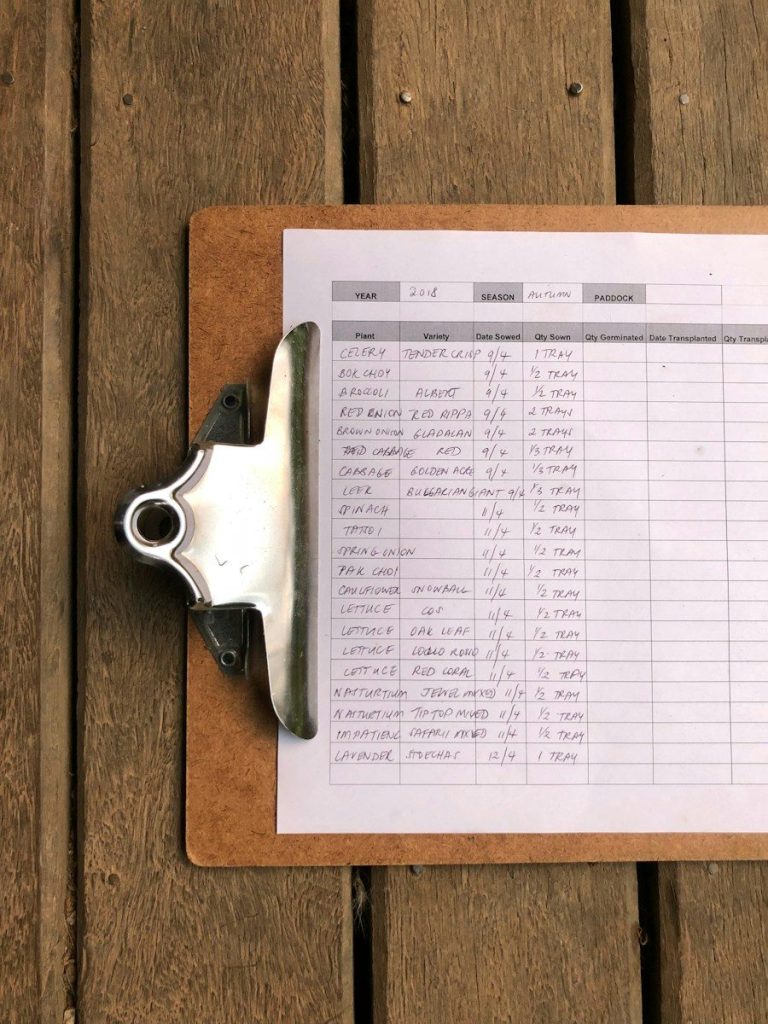
Accurate and efficient record keeping is critical to the validity of any HACCP system. All HACCP documentation and records should be appropriate in format, content, control and application to the nature of the food business. Refer also to document and data control.
HACCP documentation may include:
HACCP records may include:
Consider the following questions:
If your food business supplies foodstuffs manufactured to a customer’s specifications, it is important to consider any specific HACCP Development requirements in relation to their items.
The following references provide further guidance on HACCP and food safety management. Refer to the current edition of each.
Document: A document provides guidance and/or direction for performing work, making decisions, or rendering judgements that affect the safety or quality of the products or services that customers receive.
Documented policies, procedures, work instructions, and schedules form the basis of any food safety and quality management system. The following documentation formats may be considered to ensure ongoing compliance with specified requirements for HACCP:
If your food business supplies foodstuffs manufactured to a customer’s specifications, it is important to consider any specific HACCP Documentation requirements for their items.
You may wish to visit the HACCP Templates section of haccp.com for examples of HACCP documentation, record, and resource formats commonly applied within food safety and quality systems.
A poorly documented HACCP program will not fully support your business and may contribute to significant non-compliance against Regulatory, Industry, and Customer standards and requirements.
Implementation: Implementation is the application of documented food safety and quality system elements into the actual business operation.
The implementation of HACCP within any food business requires genuine commitment from senior management, staff and visitors to ensure the nominated goals of implementation are achievable on an ongoing basis. It is a step that requires significant planning and consideration of general and specific food business circumstances to ensure the outcomes of HACCP do not negatively impact the safety and quality of the food items dispatched from the business.
Implementation of HACCP must include a clear definition of responsibilities and authorities for all levels of participation by senior management, staff and visitors to the site.
When implementing HACCP within a food safety and quality system, you may wish to consider the following requirements before completion:
Once the HACCP plan has been developed for each relevant food business process, it has to be effectively implemented and validated.
Common points will need to be considered to facilitate this:
If your food business supplies foodstuffs manufactured to a customer’s specifications, it is important to consider any specific HACCP Implementation requirements in relation to their items.
Monitoring: Monitoring is the act of reviewing and confirming measurable parameters of a defined process or product status.
Monitoring requirements within food industry sectors are generally identified against limits of acceptability defined within HACCP plans, implementation procedures, and work instructions. Monitoring usually includes some element of record-keeping, which may be maintained manually or through digital systems. It is important to consider that advancements in technology have spawned many systems and processes which are self-monitored or self-adjusting when variances are identified. Regardless of the system used, the goal of any monitoring activity is to provide sufficient evidence that any limit of acceptability has been met.
Traditional HACCP monitoring requirements include manual recording and the application of corrective actions when the results of monitoring are found to be outside acceptable limits. Corrective Actions should also generally be strongly linked to the monitoring process where applied to ensure full traceability of the applied actions.
Common HACCP monitoring activities and records include:
If your food business supplies foodstuffs manufactured to a customer’s specifications, it is important to consider any specific HACCP Monitoring requirements in relation to their items.
You may wish to visit the HACCP Templates section of haccp.com for examples of HACCP documentation, record, and resource formats commonly applied within food safety and quality systems.
Corrective Action: Corrective action is mandatory action to be taken when a deviation to the Quality System occurs, particularly to a Critical Control Point.
Preventative Action: At any step in the process where a hazard has been identified, preventative action must be put into place to prevent re-occurrence.
Corrective Action and Preventative Action are implemented to ensure that any identified non-conformance issues are documented, investigated, and rectified within appropriate time frames. Corrective action is any action applied to regain control over a product, process, policy, or procedure that has been identified as being non-conforming or outside nominated limits of acceptability. Preventative action is any action applied to prevent any identified non-conformance from reoccurring.
The outcomes of corrective and preventative actions should result in regained process control after effective application. Specified corrective actions are commonly linked to the HACCP Plans and the food business certification process.
Below are Corrective Action and Preventative Action examples which may be associated with HACCP related non-conformance:
If your food business supplies foodstuffs manufactured to a customer’s specifications, it is important to consider any specific HACCP Corrective Action requirements in relation to their items.
You may wish to visit the Corrective Action and Preventative Action section of haccp.com for examples of best practice applications for this food safety and quality system element.
Verification: The act of reviewing, inspecting, testing, checking, auditing, or otherwise establishing and documenting whether items, processes, services, or documents conform to specified requirements.
Verification is the detailed review of all food safety and quality system elements to confirm that they are effectively developed, documented, implemented, monitored, and reviewed. All food safety and quality system elements, including documented policies, procedures, training, HACCP plans and their operational applications must be verified on an ongoing scheduled basis. The verification process commonly includes a defined schedule for which verification activities are required, how often they are conducted, who is responsible, and detailed documented procedures for each nominated verification activity.
The general goal of an established verification process is to ensure any systemic non-conformance issues are identified and rectified within an appropriate time frame. When non-conformance issues are identified through the verification process, Corrective Actions and Preventative Actions should be implemented to ensure they do not impact the effectiveness of the food safety and quality system.
The following examples of verification activities may apply to HACCP:
If your food business supplies foodstuffs manufactured to a customer’s specifications, it is important to consider any specific HACCP Verification requirements in relation to their items.
You may wish to visit the Verification Activities section of haccp.com for examples of best practice applications for this food safety and quality system element.
Validation: The process of gathering evidence to provide a scientific basis for the documented act of demonstrating that a procedure, process, and activity will consistently lead to the expected results. It often includes the qualification of systems and equipment.
Validation is the provision of evidence to support the limits of control or acceptability for food safety or quality parameters nominated within systemic elements. Limits of control or acceptability are commonly included within documented food safety and quality systems elements such as procedures, HACCP plans, and specifications.
Common sources of validation include regulatory and legislative standards, finished product specifications and customer requirements, industry codes of practice and guidelines, verified and validated research, historical product, and process control outcomes, and analytical testing.
The general goal of an established validation process is to ensure any systemic non-conformance issues are identified and rectified within an appropriate time frame. When non-conformance issues are identified through the validation process, Corrective Actions and Preventative Actions should be implemented to ensure they do not impact the effectiveness of the food safety and quality system.
Validation activities are commonly defined within the verification schedules and procedures of established food safety and quality management systems.
The following examples may apply to the validation of the limits of control or acceptability for HACCP:
If your food business supplies foodstuffs manufactured to a customer’s specifications, it is important to consider any specific HACCP Validation requirements in relation to their items.
You may wish to visit the Validation Activities section of haccp.com for examples of best practice applications for this food safety and quality system element.
Skills and Knowledge: Skills and knowledge are attributes of human interactions commonly linked to competency within any specified job-related task.
Training and competency requirements for HACCP must be ongoing, including regularly scheduled reviews to ensure the effectiveness of training and competency outcomes.
Team members who have defined responsibilities regarding HACCP should have knowledge including:
Team members who have defined responsibilities regarding HACCP should have skills including:
Team members who have defined responsibilities regarding HACCP should have access to resources including:
If your food business supplies foodstuffs manufactured to a customer’s specifications, it is important to consider any specific HACCP Training, Competency, and Resources requirements in relation to their items.
You may wish to visit the Training, Competency and Resources section of haccp.com for examples of best practice applications for this food safety and quality system element.