
To define detail, scope and purpose.
To establish the developed detail in a viewable format to facilitate information.
To facilitate the application of the documentation.
Downloading a resource will add this resource to your resource subscriptions. You will be notified of future updates to this resource via email (you may unsubscribe at any time by clicking the unsubscribe link in the email notification, or to unsubscribe immediately from all update notifications, click here)
Downloading a resource will add this resource to your resource subscriptions. You will be notified of future updates to this resource via email (you may unsubscribe at any time by clicking the unsubscribe link in the email notification, or to unsubscribe immediately from all update notifications, click here)
This information can be used to develop food safety and quality programs that meet the requirements of modern Regulatory, Customer and Industry Standards:
When considering the development, documentation, and implementation of Approved Supplier Management within food safety and quality management systems, the following information should be considered to ensure effective outcomes:
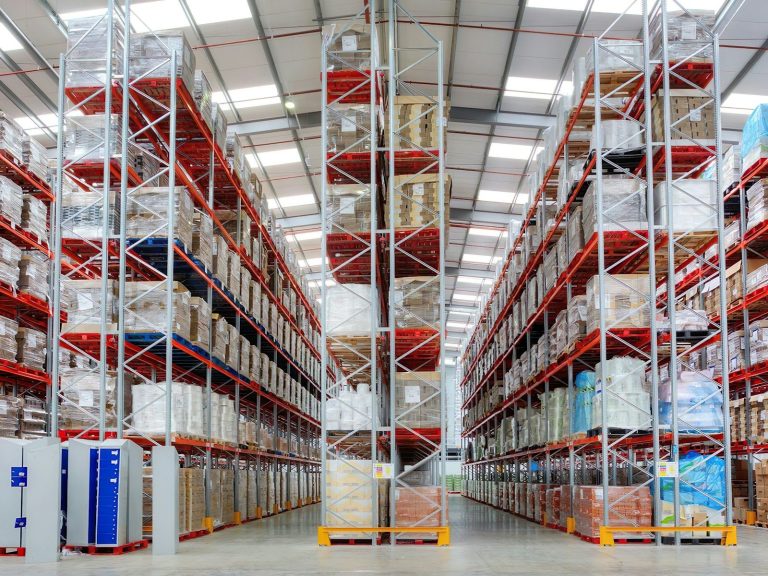
Approved supplier management programs are implemented to ensure a food business has control of the materials and services supplied to it. An effectively implemented approved supplier management program provides confidence that supplied materials or services will not negatively affect the safety or quality of finished products.
In a modern age where information is readily available, bad news travels at speed. Customers of food businesses play a leading role in ensuring that the raw materials and services used to manufacture their products meet defined expectations. Ethical Sourcing Standards often influence whether a food business is selected and retained within established food supply chains, and Approved Supplier Management is a primary way of demonstrating them.
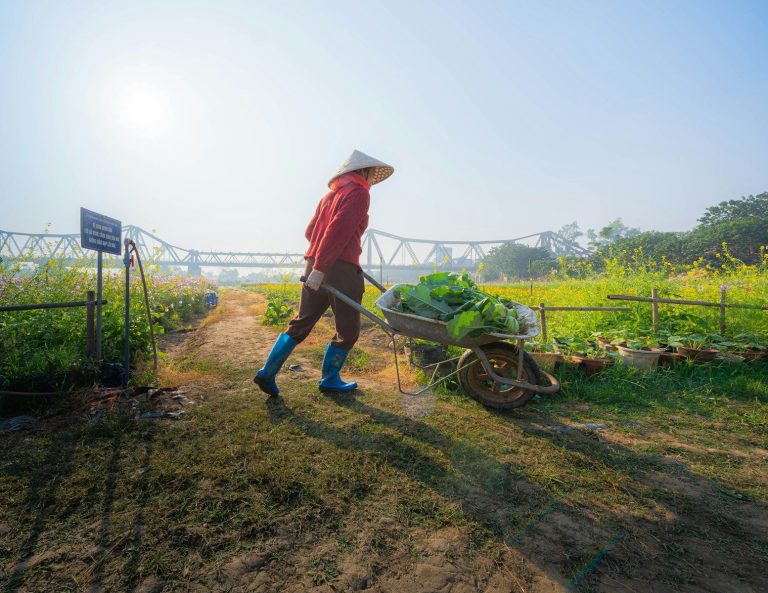
Ethical Sourcing Standards are applied across international food industries to ensure sourcing is carried out responsibly, to ensure suppliers continually improve their social and environmental practices, and to protect retailer and brand confidence.
Ethical Sourcing Standards are a general expectation of consumers who, over time, have become increasingly aware of purchasing goods and services that are sourced in a manner that does not exploit humans, wildlife or the environment, and does not represent a danger to the health or safety of humans, wildlife or the environment.
To provide food items and general merchandise at competitive prices, retailers continually source items from a variety of international locations, including lower-income countries. Exposed instances of poor working conditions and environmental degradation have, over time, led retail businesses to develop and implement targeted social responsibility requirements for their suppliers.
Common elements of Ethical Sourcing Standards policies implemented by progressive retail businesses include:
The basis of Ethical Sourcing Standards is commonly linked to recognised Ethical Trading and Labour Initiatives, which are often used to define the guidelines mandated by retail companies. Examples include the Ethical Trading Initiative (ETI) Base Code, Sedex and its SMETA audit, and amfori BSCI. Many countries also have modern slavery legislation, such as the United Kingdom Modern Slavery Act 2015 and the Australian Modern Slavery Act 2018, which require larger businesses to assess and report on supply chain risks. Requirements vary by jurisdiction, so confirm those that apply to your business.
Within modern food businesses, there is generally a clear distinction between suppliers of raw materials and service providers.
Suppliers are businesses that supply a “physical” element into a food business, including but not limited to:
Service Providers are generally classed as businesses that supply a “service” into a food business, including but not limited to:
Within the following content, we use the term “suppliers”, and the requirements should be considered equally for both product suppliers and service providers.

Before purchasing agreements are initiated with specified suppliers, it is important to obtain as much information as possible about the products and raw materials to be supplied. Product information from the pending or existing supplier will outline basic product specifications. It is also important to consider any additional details that may affect the potential of the product to become unsafe for use within your business.
The following factors may be considered:
The Approved Supplier Management and Procurement Processes are commonly managed on an ongoing basis with scheduled verification activities and reviews to ensure the effectiveness and currency of the established systems.
The suppliers that you choose to use for your business should:
The following methods may be considered when assessing a prospective or existing supplier for approval:
Should an approved supplier fail to do any of the following:
there may be sufficient grounds to remove that supplier from the approved supplier program, based on the objective evidence of the non-conformances above. Records of supplier performance must be maintained.

It is important to consider the varieties of foods being supplied regarding their potential to contain or cause food safety hazards. The acceptance of suppliers and their products should be approached accordingly, applying different approval criteria for different levels of food risk.
Suppliers with products that contain:
Foods that are potentially hazardous and not generally subjected to further cooking may require more scrutiny for approval than foods with a lower risk of contamination.
Foods of lower risk are those that do not have a history of contamination or the normal ability to support the growth of microbiological pathogens. They include grains, nuts, confectionery, carbonated and alcoholic beverages, jams and preserves, and commercially canned and bottled products. Lower risk does not mean no risk: grains and nuts, for example, can still present Salmonella, mycotoxin and allergen concerns.
Whilst traditionally “High Risk” foods are of major concern within Approved Supplier Management systems, it is of utmost importance that suppliers of all raw materials and services are assessed for risk and treated accordingly.
Packaging variants should also be considered within risk-based assessments of suppliers. The origin and “food grade status” confirmations for packaging should be defining factors within any risk assessment process. It is important to confirm that packaging will conform to the legal requirements of the country in which the packaged products will be sold.

Within modern food industries, information moves rapidly across borders. This provides substantial opportunities to manage approved supplier systems by considering issues that arise in similar products or food industry sectors in other parts of the globe.
Using awareness of foodborne illness or contamination in other countries or continents to apply additional requirements or controls to existing suppliers of materials or services is increasingly common practice. Supplier status, such as certification status, regulatory standing or audit history, can be assessed in the same way. The following example shows a logical sequence for geography-based supplier assessment:
This scenario highlights the importance of “real-time” interactions within your Approved Supplier Management systems, so that decisions are made on current information.
As part of a supplier assessment, it is necessary to address all information appropriate and relevant to the capability of the supplier to consistently supply products to the required standards.
Information that may substantiate the supplier’s claims includes:
A certified food safety and quality management system, which may include:
Details of a documented and operational quality system that may gain a letter of Substantial Implementation (or equivalent) after auditing, which may include:
Copies of the suppliers’ quality system documents, which may include:
Supplier packaging and labelling requirements, which may include:
Risk and property, which may include:
These terms are commercial and legal matters. Seek legal advice when drafting supply agreements (see Contract Review).
Supplier guarantee, which may include:

Businesses rely on their suppliers to provide the products and services required to produce outputs. Together with other inputs, this gives the business the ability to generate income, which is the primary objective of most commercial businesses.
The benefits of mutually beneficial supplier relationships include:
A document containing all approved supplier details and the goods that they supply should be readily accessible. Hazard ratings (such as high, medium or low) for each commodity, approval status, and audit or approved supplier review dates should also be recorded. Consider including nominated alternative suppliers for emergency supply.
If your food business supplies foodstuffs manufactured to a customer’s specifications, it is important to consider any specific Approved Supplier Management Development requirements in relation to their items.
Document: A document provides guidance and/or direction for performing work, making decisions, or rendering judgments that affect the safety or quality of the products or services that customers receive.
Documented policies, procedures, work instructions, and schedules form the basis of any food safety and quality management system. The following documentation formats may be considered to ensure ongoing compliance with specified requirements for Approved Supplier Management:
If your food business supplies foodstuffs manufactured to a customer’s specifications, it is important to consider any specific Approved Supplier Management Documentation requirements in relation to their items.
You may wish to visit the Approved Supplier Management Templates section of haccp.com for examples of Approved Supplier Management documentation, record, and resource formats commonly applied within food safety and quality systems.
Implementation: Implementation is the application of documented food safety and quality system elements into the actual business operation.
The implementation of Approved Supplier Management within any food business requires genuine commitment from senior management, staff, contractors and visitors to ensure the nominated goals of implementation are achievable on an ongoing basis. It is a step that requires significant planning and consideration of general and specific food business circumstances to ensure the outcomes of Approved Supplier Management do not negatively affect the safety and quality of the food items dispatched from the business.
Implementation of Approved Supplier Management must include a clear definition of responsibilities and authorities for all levels of participation by senior management, staff, contractors and visitors to the site.
When implementing Approved Supplier Management within food safety and quality systems, you may wish to consider the following requirements before completion:
If your food business supplies foodstuffs manufactured to a customer’s specifications, it is important to consider any specific Approved Supplier Management Implementation requirements in relation to their items.
Monitoring: Monitoring is the act of reviewing and confirming measurable parameters of a defined process or product status.
Monitoring requirements within food industry sectors are generally identified against limits of acceptability defined within HACCP plans, implementation procedures, and work instructions. Monitoring usually includes some element of record-keeping, which may be maintained manually or through digital systems. Advancements in technology have produced many systems and processes that are self-monitored or self-adjusted when variances are identified. Regardless of the system used, the goal of any monitoring activity is to provide sufficient evidence that any limit of acceptability has been met.
Traditional Approved Supplier Management monitoring requirements include manual recording and the application of corrective actions when the results of monitoring are found to be outside acceptable limits. Corrective actions should also be strongly linked to the monitoring process to ensure full traceability of the applied actions.
The following examples of monitoring activities and record formats may apply to Approved Supplier Management:
If your food business supplies foodstuffs manufactured to a customer’s specifications, it is important to consider any specific Approved Supplier Management Monitoring requirements in relation to their items.
You may wish to visit the Approved Supplier Management Templates section of haccp.com for examples of Approved Supplier Management documentation, record, and resource formats commonly applied within food safety and quality systems.
Corrective Action: Corrective action is mandatory action to be taken when a deviation to the Quality System occurs, particularly in relation to a Critical Control Point.
Preventative Action: At any step in the process where a hazard has been identified, preventative action must be put into place to prevent recurrence.
Corrective Action and Preventative Action are implemented to ensure identified non-conformances are documented, investigated, and rectified within appropriate timeframes.
Corrective action is any action applied to regain control over a product, process, policy, or procedure that has been identified as being non-conforming or outside nominated limits of acceptability.
Preventative action is any action applied to prevent any identified non-conformance from recurring.
The outcomes of corrective and preventative actions should result in regained process control after effective application. Specified corrective actions are commonly linked to the HACCP Plans and the food business certification process.
Common Corrective Action and Preventative Action examples which may be associated with Approved Supplier Management related non-conformances include:
If your food business supplies foodstuffs manufactured to a customer’s specifications, it is important to consider any specific Approved Supplier Management Corrective Action requirements in relation to their items.
You may wish to visit the Corrective Action and Preventative Action section of haccp.com for examples of best practice applications for this food safety and quality system element.
Verification: The act of reviewing, inspecting, testing, checking, auditing, or otherwise establishing and documenting whether items, processes, services, or documents conform to specified requirements.
Verification is the detailed review of all food safety and quality system elements to confirm that they are effectively developed, documented, implemented, monitored, and reviewed. All food safety and quality system elements, including documented policies, procedures, training, HACCP plans, and their operational applications must be verified on an ongoing scheduled basis. The verification process commonly includes a defined schedule for which verification activities are required, how often they are conducted, who is responsible, and detailed documented procedures for each nominated verification activity.
The general goal of an established verification process is to ensure any systemic non-conformances are identified and rectified within an appropriate timeframe. When non-conformances are identified through the verification process, Corrective Actions and Preventative Actions should be implemented to ensure they do not affect the effectiveness of the food safety and quality system.
The following examples of verification activities may be applicable to Approved Supplier Management:
It is generally considered best practice for approved supplier listings to be reviewed at least annually, with higher-risk suppliers reviewed more frequently and lower-risk suppliers reviewed on a schedule justified by risk. As an element of this process, validation certifications should be requested and updated within the Approved Supplier Management systems.
If your food business supplies foodstuffs manufactured to a customer’s specifications, it is important to consider any specific Approved Supplier Management Verification requirements in relation to their items.
You may wish to visit the Verification Activities section of haccp.com for examples of best practice applications for this food safety and quality system element.

Validation: The process of gathering evidence to provide a scientific basis for the documented act of demonstrating that a procedure, process, and activity will consistently lead to the expected results. It often includes the qualification of systems and equipment.
Validation is the provision of evidence to support the limits of control or acceptability for food safety or quality parameters nominated within systemic elements. Limits of control or acceptability are commonly included within documented food safety and quality systems elements such as procedures, HACCP plans, and specifications.
Common sources of validation include regulatory and legislative standards, finished product specifications and customer requirements, industry codes of practice and guidelines, verified and validated research, historical product and process control outcomes, and analytical testing.
The general goal of an established validation process is to ensure any inappropriate limits of control or acceptability are identified and rectified within an appropriate timeframe. When non-conformances are identified through the validation process, Corrective Actions and Preventative Actions should be implemented to ensure they do not affect the effectiveness of the food safety and quality system.
Validation activities are commonly defined within the verification schedules and procedures of established food safety and quality management systems.
The following examples may be applicable to the validation of the limits of control or acceptability for Approved Supplier Management:
If your food business supplies foodstuffs manufactured to a customer’s specifications, it is important to consider any specific Approved Supplier Management Validation requirements in relation to their items.
You may wish to visit the Validation Activities section of haccp.com for examples of best practice applications for this food safety and quality system element.

Skills and Knowledge: Skills and knowledge are attributes of human interactions commonly linked to competency within any specified job-related task.
Training and competency requirements for Approved Supplier Management must be ongoing, including regularly scheduled reviews to ensure the effectiveness of training and competency outcomes.
Team members who have defined responsibilities regarding Approved Supplier Management should have knowledge including:
Team members who have defined responsibilities regarding Approved Supplier Management should have skills including:
Team members who have defined responsibilities regarding Approved Supplier Management should have access to resources including:
If your food business supplies foodstuffs manufactured to a customer’s specifications, it is important to consider any specific Approved Supplier Management Training, Competency, and Resources requirements in relation to their items.
You may wish to visit the Training, Competency, and Resources section of haccp.com for examples of best practice applications for this food safety and quality system element.